Why Hydration Is Becoming One of the Biggest Performance Trends in Sports Nutrition
Hydration, electrolytes, and recovery-focused wellness are becoming major trends in sports nutrition. Learn why athletes are rethinking hydration support and performance consistency.
Held Performance
5/10/20263 min read
For years, hydration was treated like an afterthought.
Train hard. Sweat. Drink some water later.
That was the entire strategy for many athletes and gym-goers.
Now the conversation is changing.
More people are starting to realize something important:
You can eat well, train hard, and still feel physically “off” if hydration is poorly managed.
That realization is helping turn hydration into one of the fastest-growing categories in sports nutrition and wellness.
And it is not just about water anymore.
Consumers are increasingly paying attention to:
electrolyte balance
hydration timing
recovery support
training consistency
fluid retention and sweat loss
daily performance readiness
That shift is changing the supplement industry quickly.
Why hydration matters more than people think
Many athletes associate dehydration with extreme situations:
long races
heat exhaustion
marathon collapse
But performance changes can begin much earlier.
Research published in Medicine & Science in Sports & Exercise and Sports Medicine has discussed how even mild dehydration may influence:
perceived effort
endurance capacity
thermoregulation
cognitive performance during exercise
(Sawka et al., 2007; Cheuvront & Kenefick, 2014).
For some people, the issue is not dramatic dehydration.
It is chronic under-hydration across weeks of training, work stress, travel, caffeine intake, and inconsistent recovery habits.
That is where many active individuals begin feeling:
flat workouts
inconsistent pumps
sluggish recovery
headaches
reduced training quality
Hydration is becoming part of recovery culture
One of the biggest trends in sports nutrition right now is the shift from “stimulation-only” products toward more complete recovery-focused systems.
That includes:
sleep routines
stress management
hydration support
electrolyte balance
recovery-focused supplementation
Industry reporting and wellness trend analyses continue showing rising consumer interest in hydration-focused products, functional beverages, and electrolyte support.
Research in Nutrients and Frontiers in Nutrition also continues exploring how hydration status interacts with exercise performance and recovery behaviors.
This is especially noticeable among:
hybrid athletes
endurance athletes
high-frequency lifters
consumers balancing work stress with training
Electrolytes are becoming mainstream
For years, electrolytes were mostly associated with endurance sports.
Now they are becoming increasingly mainstream in general fitness and wellness routines.
Electrolytes such as:
sodium
potassium
magnesium
play roles in fluid balance and neuromuscular function.
Research published in Sports Medicine has explored how sodium losses through sweat may vary significantly between individuals depending on:
heat exposure
sweat rate
training duration
genetics
(Baker et al., 2016).
That is one reason many active individuals are moving toward more structured hydration routines instead of relying only on plain water intake.
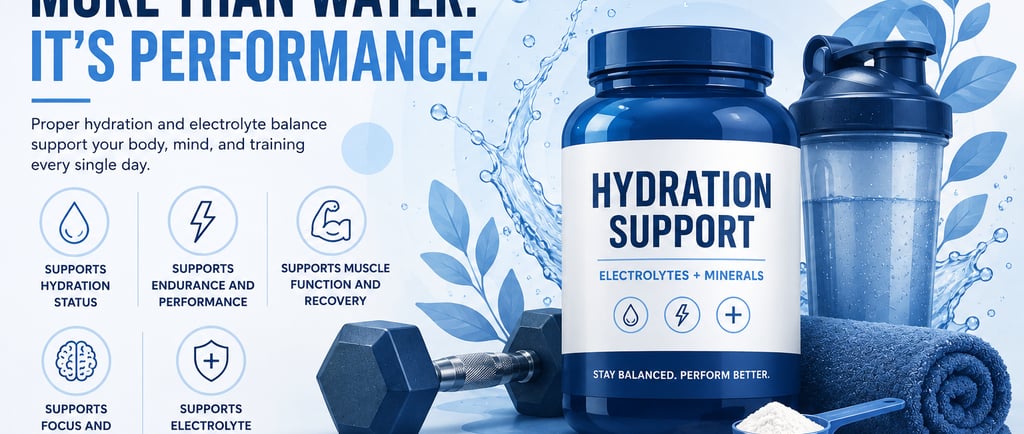
Products such as Hydration Support, Electrolyte Formula, and Recovery Formula may fit structured training routines depending on individual needs and professional guidance.
The “always caffeinated” era may be creating new problems
Another noticeable trend:
People are starting to connect excessive stimulant use with inconsistent hydration habits and recovery quality.
High caffeine intake, intense schedules, poor sleep, and hard training often stack together.
That does not mean caffeine is inherently bad.
But many consumers are beginning to seek more balance between:
stimulation
hydration
recovery
nervous system load
That shift is helping drive growth in:
non-stimulant wellness support
electrolyte products
hydration-focused supplements
recovery-oriented routines
Products such as Resurge, Daily Wellness Support, and Hydration Support are increasingly being integrated into broader wellness-focused performance systems.
Functional hydration is becoming premium
Another major shift happening right now:
Consumers increasingly associate quality with:
clinically studied ingredients
transparency
simplicity
purposeful formulas
evidence-informed routines
Organizations such as NSF International and U.S. Pharmacopeia continue influencing consumer expectations around quality and supplement manufacturing standards.
Consumers are becoming more skeptical of:
overloaded formulas
unnecessary stimulants
“hardcore” branding without substance
The trend is moving toward smarter integration into daily routines.
Hydration is no longer just about workouts
One of the biggest mindset changes happening now:
People are starting to view hydration as part of overall performance readiness.
That includes:
cognitive focus
training consistency
recovery habits
sleep quality
daily energy patterns
Hydration is becoming part of lifestyle performance, not just exercise performance.
Final thought
The future of sports nutrition may not belong only to products that push harder.
It may belong to products that help people sustain performance more consistently.
That includes:
recovery
sleep
stress management
hydration
smarter daily routines
And hydration is increasingly becoming one of the centerpieces of that conversation.
This content is for informational purposes only. Supplement use, hydration strategies, and recovery routines should always be individualized. What may be appropriate for one person may not be suitable for another due to differences in physiology, medications, health status, sweat rate, and training demands. Guidance from a qualified healthcare professional is strongly recommended before beginning any supplement or hydration routine.
These statements have not been evaluated by the Food and Drug Administration. These products are not intended to diagnose, treat, cure, or prevent any disease.