
Why “Mental Performance Fatigue” Is Becoming a Major Trend in Sports Nutrition
Mental fatigue, cognitive recovery, hydration, adaptogens, and sustainable performance are becoming major trends in sports nutrition. Learn why athletes are rethinking focus, recovery, and long-term consistency.
Held Performance
5/18/20263 min read
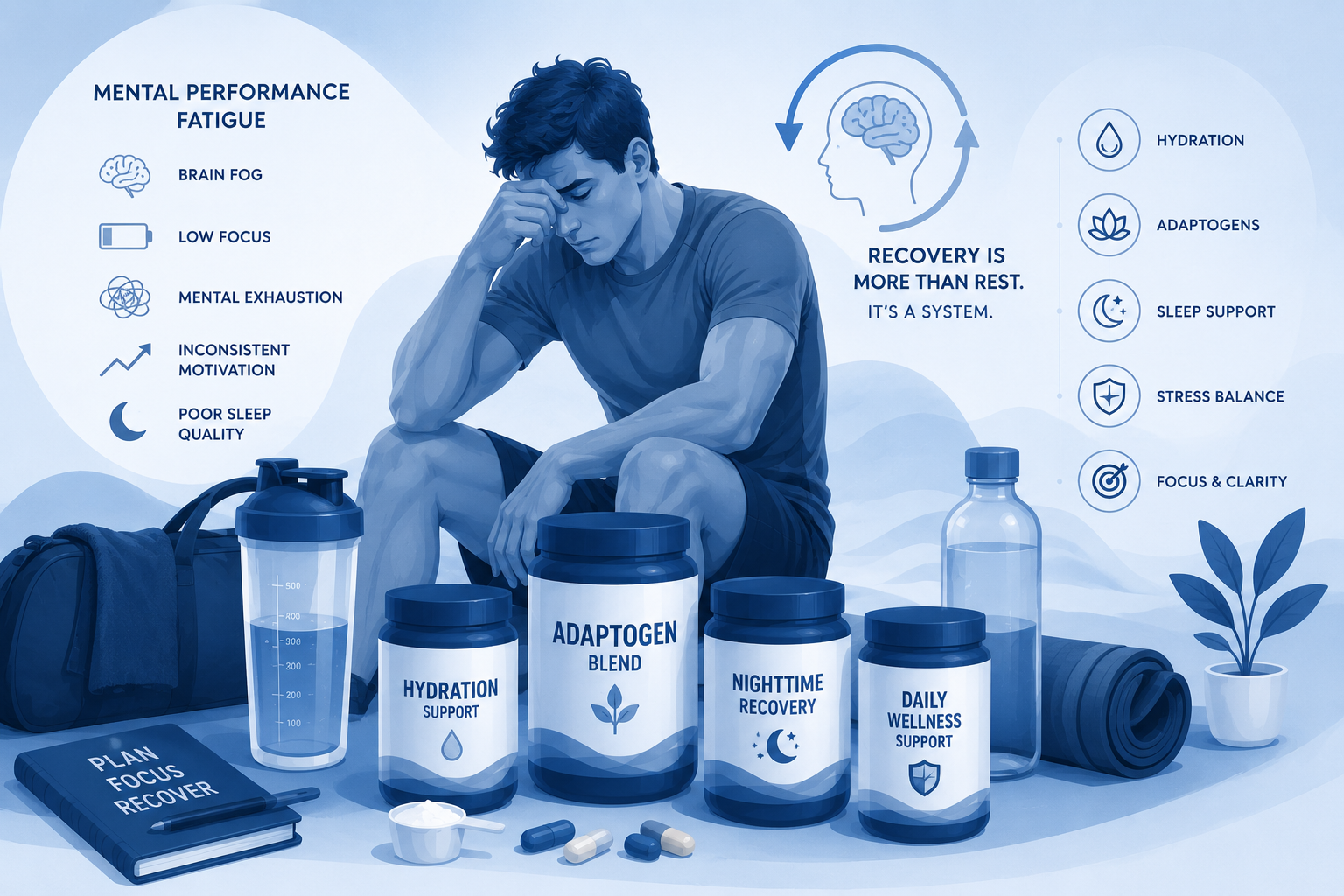
More athletes are reporting brain fog, inconsistent focus, mental exhaustion, and declining motivation despite training consistently. Here’s why cognitive recovery is rapidly becoming one of the biggest conversations in modern fitness.
For years, sports nutrition focused almost entirely on the body.
Muscles.
Strength.
Endurance.
Recovery.
But something has changed recently.
A growing number of active people are starting to realize:
physical fatigue and mental fatigue are not always the same thing.
And increasingly, athletes are reporting a very modern problem:
mentally flat workouts
difficulty focusing during training
feeling “wired but tired”
inconsistent motivation
overstimulation from caffeine
poor mental recovery despite physical rest
That shift is helping create one of the fastest-growing trends in modern sports nutrition:
cognitive wellness for performance.
Not because people suddenly became less disciplined.
Because modern life may be creating levels of mental overload that traditional recovery habits were never designed for.
Training stress no longer exists by itself
Years ago, training fatigue mostly came from training itself.
Now many active individuals are balancing:
work pressure
nonstop notifications
poor sleep quality
social media overstimulation
long screen exposure
high caffeine intake
emotionally demanding schedules
And many people are discovering something uncomfortable:
Even when the body feels capable, the mind sometimes does not feel recovered.
Research published in Sports Medicine and Nutrients continues exploring relationships between psychological stress, sleep quality, nervous system fatigue, and athletic performance consistency (Fullagar et al., 2015; Vitale et al., 2019).
For many people, the issue is no longer effort.
It is cognitive overload.
Focus is becoming part of performance culture
One of the biggest mindset shifts happening right now:
Athletes are increasingly treating focus, mental clarity, and nervous system balance as part of performance itself.
That includes growing interest in:
adaptogens
hydration support
nighttime recovery routines
non-stimulant wellness systems
stress-management habits
structured recovery protocols
Research published in the Journal of the International Society of Sports Nutrition continues discussing how recovery quality and sleep consistency may influence cognitive readiness and training adaptation (Kerksick et al., 2018).
That is one reason products such as Resurge, Adaptogen Blend, Hydration Support, and Daily Wellness Support continue gaining momentum among active consumers.
Consumers are becoming more cautious about overstimulation
Another major trend:
People are becoming increasingly skeptical of constant high-stimulant routines.
Years of:
aggressive pre-workouts
excessive caffeine intake
poor sleep habits
“always on” productivity culture
…are leading many active individuals to seek more balanced wellness-focused routines.
Research involving adaptogenic ingredients continues exploring how certain compounds may interact with stress-response pathways under specific conditions.
Examples include:
Wankhede et al. (2015), which investigated ashwagandha supplementation alongside resistance training.
Panossian & Wikman (2010), which reviewed adaptogens and stress physiology.
Dattilo et al. (2011), which explored relationships between sleep quality and exercise recovery.
Interest in calmer, more sustainable performance systems continues growing rapidly.
Products such as RIGHT, Resurge, and Adaptogen Blend may fit structured wellness-focused routines depending on individual goals and professional guidance.
Hydration and sleep are entering the mental performance conversation
Another important trend:
Athletes are increasingly connecting hydration and sleep quality with cognitive consistency.
Research published in Medicine & Science in Sports & Exercise and Sports Medicine has explored how hydration status may influence perceived effort, cognitive function during exercise, and training consistency (Sawka et al., 2007; Cheuvront & Kenefick, 2014).
At the same time, sleep research continues highlighting relationships between recovery quality and mental readiness.
That shift is helping drive growing interest in:
hydration-focused supplementation
nighttime support routines
recovery-centered wellness habits
Products such as Hydration Support, Electrolyte Formula, and Resurge are increasingly becoming part of broader performance-focused systems.
Consumers are becoming more selective about supplements
Another noticeable shift:
Consumers are becoming more skeptical of:
overloaded formulas
aggressive claims
excessive stimulant products
“hardcore” branding without transparency
Instead, many active individuals are prioritizing:
clinically studied ingredients
evidence-informed routines
third-party testing
cleaner formulas
sustainable wellness habits
Organizations such as NSF International and U.S. Pharmacopeia continue influencing expectations around supplement quality and manufacturing standards.
The future of performance may be sustainable cognition
One of the biggest changes happening now:
People are no longer asking only:
“How hard can I train?”
They are increasingly asking:
“How well can I stay mentally consistent over time?”
That question is reshaping the supplement industry rapidly.
Because long-term performance is increasingly being connected to:
cognitive recovery
hydration
sleep quality
nervous system balance
sustainable energy patterns
smarter daily routines
And cognitive wellness is rapidly moving toward the center of modern sports nutrition.
Final thought
The future of sports nutrition may not belong only to products that create intensity.
It may belong to products that help people:
stay mentally sharper
recover more intentionally
manage modern stress more effectively
maintain long-term consistency
support sustainable performance routines
And that shift may define the next era of modern fitness.
This content is for informational purposes only. Supplement use, recovery routines, hydration strategies, and wellness practices should always be individualized. What may be appropriate for one person may not be suitable for another due to differences in physiology, medications, health status, stimulant sensitivity, sleep quality, stress levels, and training demands. Guidance from a qualified healthcare professional is strongly recommended before beginning any supplement routine.
These statements have not been evaluated by the Food and Drug Administration. These products are not intended to diagnose, treat, cure, or prevent any disease.