
How to Optimize Sleep for Athletes
Learn how to optimize sleep for athletes with practical strategies that improve recovery, training output, focus, and consistent performance.
Held Performance
4/18/20262 min read
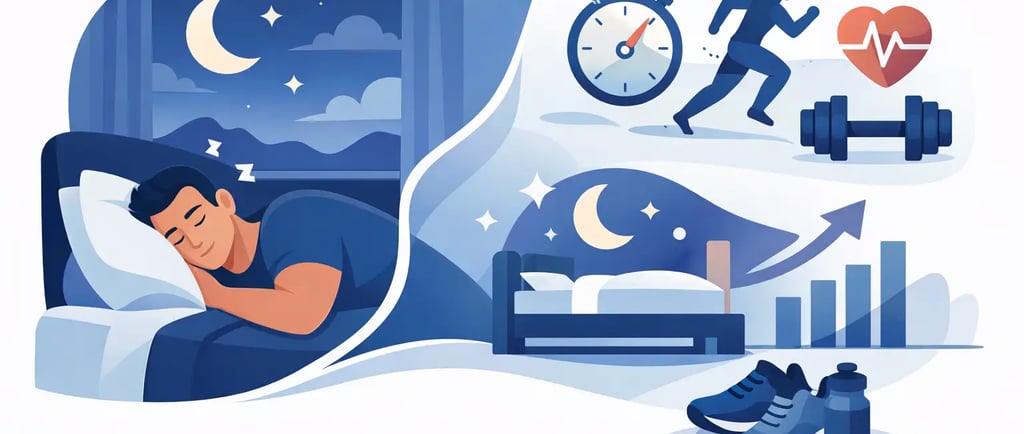
You can out-train a weak program for a while. You cannot out-train poor sleep for long. If you want real answers on how to optimize sleep for athletes, start here: sleep is not passive recovery. It is an active performance system that affects reaction time, muscle repair, hormone balance, mood, and decision-making under fatigue.
Serious athletes already track sets, splits, macros, and hydration. Sleep deserves the same discipline. The difference is that sleep is less forgiving. A hard session on tired legs might still get done. A week of broken sleep shows up everywhere - slower output, worse recovery, lower motivation, and more mental drag when training gets hard.
Why sleep is a performance variable
Athletes often think about recovery as something that happens after training. Sleep is where much of that recovery actually gets built. During sleep, the body supports muscle repair, glycogen restoration, nervous system recovery, and immune function.
Sleep research consistently demonstrates its role in recovery, cognitive performance, and hormonal balance (Dattilo et al., 2011; Van Cauter et al., 2000).
The brain also processes motor learning during sleep, which matters for skill-based sports.
That means poor sleep does more than make you feel tired. It can affect next-day performance, pacing, and focus.
How to optimize sleep for athletes without overcomplicating it
Most athletes do not need extreme routines. They need consistency.
Maintaining a stable sleep schedule supports circadian rhythm regulation, which influences recovery and performance.
Get morning light early
Morning light exposure helps regulate circadian rhythm and improve sleep timing.
Even short exposure can support better sleep patterns and daytime alertness.
Control caffeine like a performance tool
Caffeine can support training performance, but timing matters.
Research shows caffeine can influence sleep onset depending on dose and timing (Guest et al., 2021).
Products such as Energy Support or Pre-Workout Formula should be used with awareness of timing and individual tolerance.
Build a real wind-down
Reducing stimulation before bed supports nervous system downregulation.
Products such as Sleep Support or Night Recovery Formula may support relaxation and sleep consistency when used appropriately.
Training timing changes sleep quality
Late high-intensity sessions may delay sleep onset due to elevated body temperature and nervous system activation.
Recovery strategies such as hydration and nutrition timing can help support this transition.
Eat for recovery, not just fullness
Nutrition affects sleep quality.
Protein supports muscle repair, while carbohydrates may support glycogen restoration and recovery.
Options such as Recovery Formula, Whey Protein Isolate, or Protein Blend may support post-training routines depending on individual needs.
Your sleep environment should do less
Environmental factors such as temperature, light, and noise influence sleep quality.
A cooler, darker environment tends to support better sleep consistency.
Sleep supplements can help, but they should not replace habits
Supplements may support sleep routines when fundamentals are in place.
Options such as:
may support relaxation and recovery depending on individual needs.
Organizations such as National Sleep Foundation and American Academy of Sleep Medicine highlight the importance of behavioral and environmental factors alongside any supportive strategies.
How to know your sleep plan is working
Indicators of improved sleep include:
consistent energy
improved training quality
better recovery
reduced reliance on stimulants
Sleep duration and quality both matter.
The standard is consistency, not perfection
Consistency in sleep habits supports long-term performance.
Adjustments should be made based on training demands, travel, and lifestyle factors.
This content is provided for informational purposes only. Supplement use should always be individualized, as a product that may be appropriate for one person may not be suitable for another due to differences in physiology, health status, medications, and training demands. Guidance from a qualified healthcare professional is strongly recommended before starting any supplement routine.
These statements have not been evaluated by the Food and Drug Administration. These products are not intended to diagnose, treat, cure, or prevent any disease.